

15-minute MTU on the exchange
The market becomes more flexible
 Roman Rubanovich
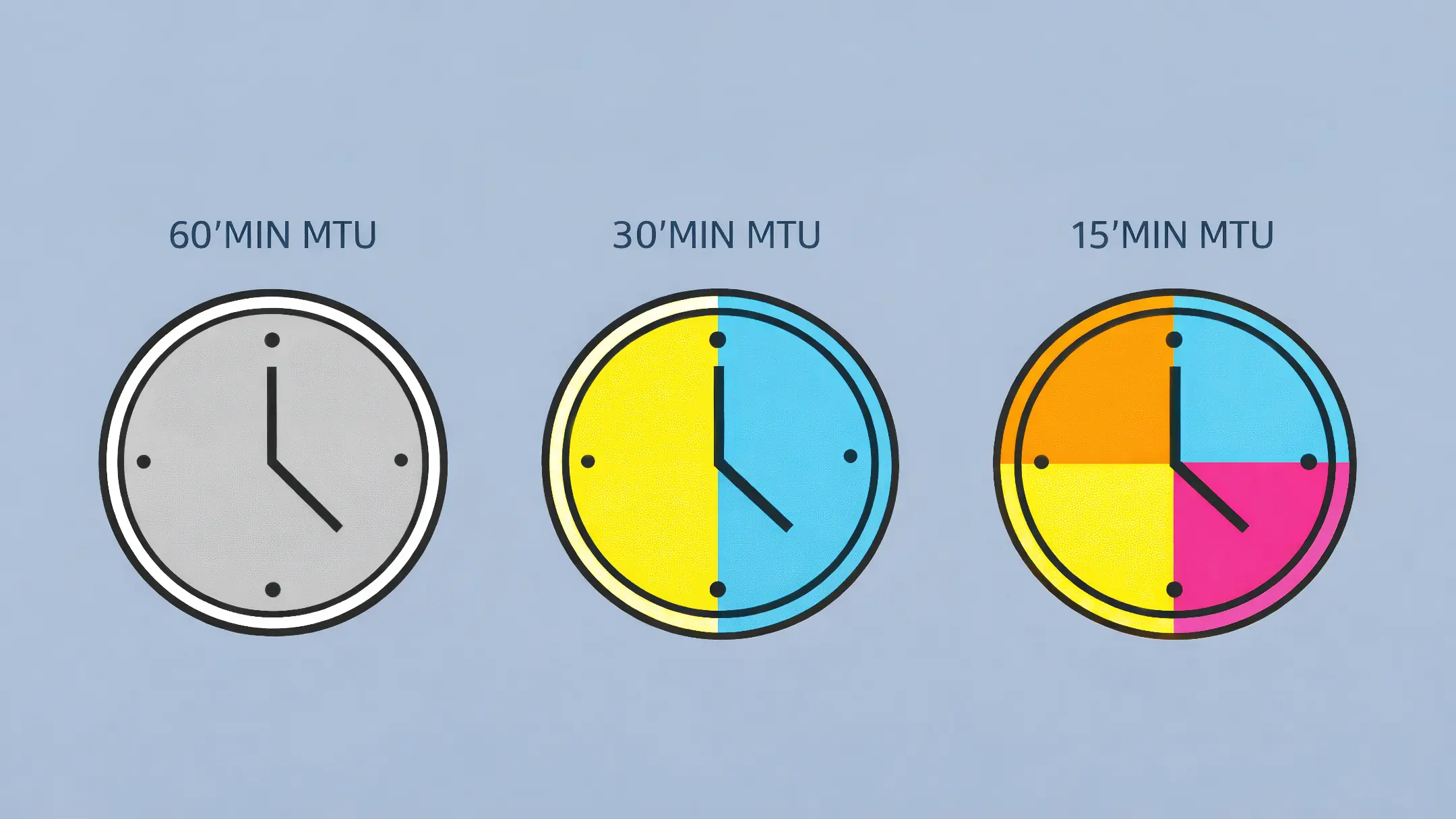
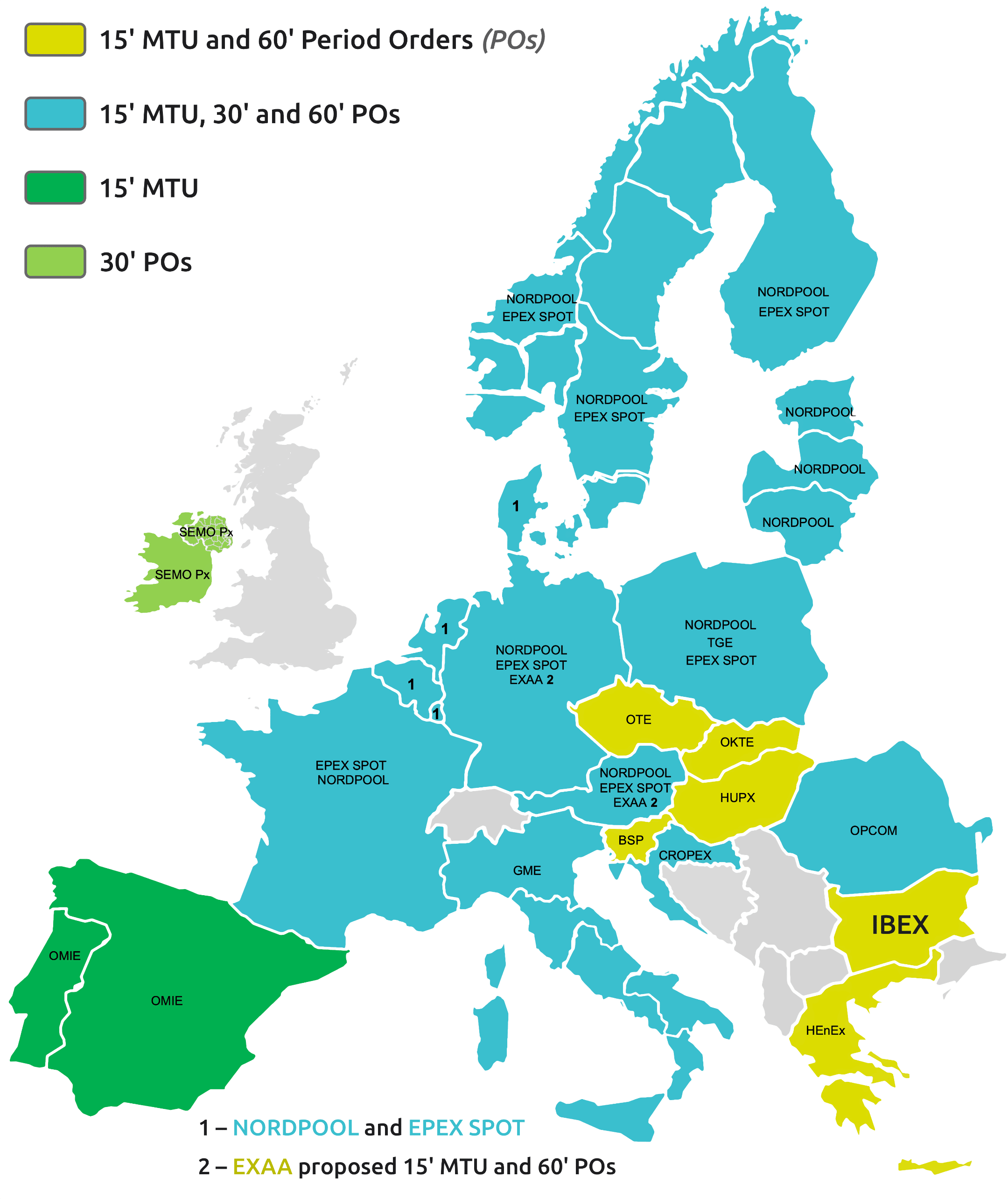
As of 1 October, all energy exchanges in the EU, including IBEX in Bulgaria, switched from hourly to 15-minute intervals in the «day-ahead» segment (SDAC market). Volumes and electricity prices for the following day are now calculated in quarter-hour steps, and instead of 24 periods the market operates with 96.
This will increase planning accuracy and make the power system more flexible, especially under frequent changes in weather conditions.
Previously, the «day-ahead» market operated with hourly blocks. Within each hour, a single price and a single volume of electricity were set, regardless of what was happening inside that hour. This was sufficient for traditional generation, but as the share of solar and wind energy increased, such a model began to reflect the real picture less and less accurately.
| Product | Period (CET) | Price |
| PH 10 | 09:00 - 10:00 |
92.03 |
30.09.2025, IBEX, €/MW·h
The transition to 15-minute MTU (Market Time Unit) leads to the harmonisation of market operating rules across Europe. Trading, imbalance calculation and balancing begin to use the same time resolution. This simplifies interaction between countries and makes the operation of the power system more coordinated.
| Product | Period (CET) | Price |
| QH 37 | 09:00 - 09:15 |
137.92 |
| QH 38 | 09:15 - 09:30 | 105.01 |
| QH 39 | 09:30 - 09:45 | 93.61 |
| QH 40 | 09:45 - 10:00 | 82.11 |
01.10.2025, IBEX, €/MW·h
From a technical perspective, the changes also affected the central market coupling algorithm Euphemia. It was upgraded to operate with the new time step and the increased number of trading periods, in order to correctly match different types of bids and form prices no longer on an hourly basis, but in quarter-hour intervals.
Expected effects
1. Shorter MTU will allow variable generation to be taken into account more accurately. Electricity production from wind and solar can change significantly within an hour, and a 15-minute step reflects these changes better when planning and allocating power.
2. Higher time resolution will simplify forecasting and balancing. The difference between planned and actual production or consumption will be identified more quickly, reducing the magnitude of imbalances and increasing the reliability of grid operation.
3. Market participants will gain the ability to work with their positions in greater detail. There will be more points for buying and selling electricity and more opportunities to respond to changes in supply and demand throughout the day.
As a result, the «day-ahead» market will become closer to the real behaviour of the power system, in which generation and consumption have long ceased to fit into hourly intervals.
More information about the transition to 15-minute intervals and the specifics of their implementation can be found in the SDAC documents:
15-min MTU SDAC